Choosing the right home siding is the most effective way to boost curb appeal, cut energy bills, and protect your house from the elements; the best option depends on climate, budget, and long‑term maintenance goals. By understanding the performance differences between vinyl, fiber‑cement, and engineered stone, homeowners can make an informed decision that adds value and reduces repair costs. For a deeper dive into a popular alternative, see our complete guide to stone veneer siding and discover why many families are swapping traditional cladding for this stylish, low‑maintenance material.
Why Home Siding Matters: Core Benefits and Common Misconceptions
Exterior cladding does more than give a house a fresh look. Modern siding systems act as a barrier against moisture, wind, and UV radiation while providing insulation that can improve a home’s energy‑efficiency rating by up to 15 % according to the U.S. Department of Energy’s 2025 residential energy report. Yet many homeowners still assume that all siding is created equal, leading to costly replacements and unexpected maintenance.
- Weather resistance: Properly installed siding reduces water infiltration, a primary cause of mold and structural rot.
- Thermal performance: Materials such as insulated vinyl and fiber‑cement contain air pockets that slow heat transfer.
- Durability: High‑impact options can withstand hail, wind gusts up to 140 mph, and even minor impacts from landscaping equipment.
Understanding these functional layers helps you avoid the “cheapest‑now‑most‑expensive‑later” trap and select a solution that aligns with your lifestyle.
Top Home Siding Materials in 2026
Vinyl Siding – The Budget‑Friendly Workhorse
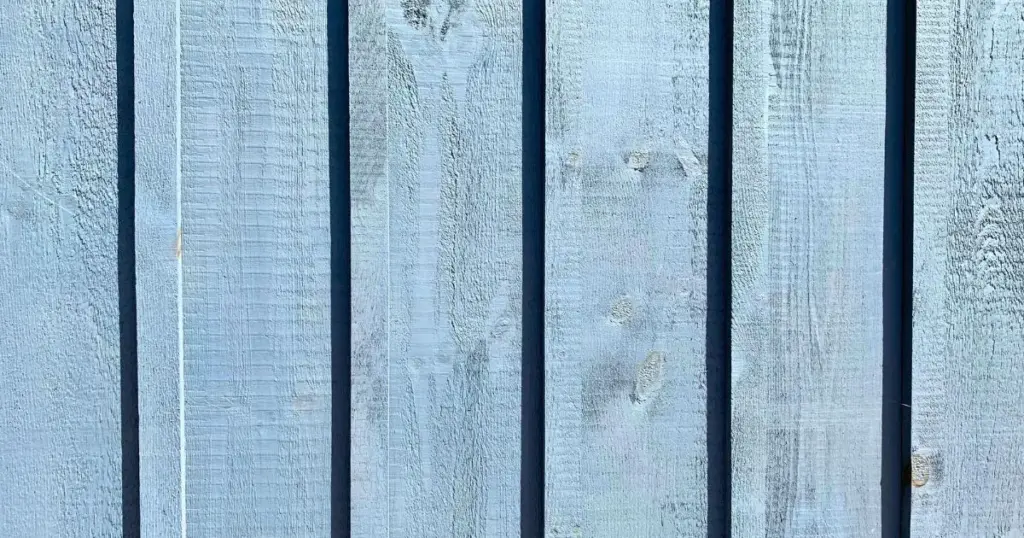
Vinyl remains the most widely used siding in the United States, covering roughly 45 % of new single‑family homes in 2025, according to the National Association of Home Builders (NAHB). Its appeal lies in low upfront costs—average installation prices range from $3.50 to $6.00 per square foot (HomeAdvisor 2026). Modern vinyl panels now feature built‑in foam insulation, which can lower heating and cooling expenses by up to 10 % (Energy Star 2025).
However, vinyl is not without drawbacks. It can become brittle in extreme cold and is prone to fading under intense UV exposure. Regular cleaning and occasional repainting with UV‑resistant paints can extend its lifespan to 20–30 years.
Fiber‑Cement Siding – The Versatile Hybrid
Fiber‑cement combines cement, sand, and cellulose fibers, delivering the look of wood without its maintenance woes. Companies like James Hardie dominate the market, and their latest 2026 product line boasts a 50‑year warranty against warping and rot. Installation costs hover around $7.00–$9.00 per square foot, but the material’s durability often offsets the higher price over a 30‑year ownership period (J.D. Power 2026).
Beyond durability, fiber‑cement excels in fire resistance—earning a Class A fire rating in most jurisdictions—and offers excellent sound dampening. Homeowners in wildfire‑prone zones frequently choose this option for peace of mind.
Engineered Stone Veneer – Luxury Meets Low Maintenance
Stone veneer siding has surged in popularity, with a 12 % market growth reported by the Concrete Masonry Association in 2026. This material mimics natural stone at a fraction of the weight and cost. Because it is installed over a weather‑resistant barrier, it provides a double layer of protection against moisture.
While the material cost is higher—averaging $10–$14 per square foot—the visual impact can increase a home’s resale value by up to 7 % (Real Estate Trends 2026). For detailed installation steps and cost breakdowns, refer to our Stone Veneer Siding 2026 guide.
How to Choose the Right Siding for Your Home
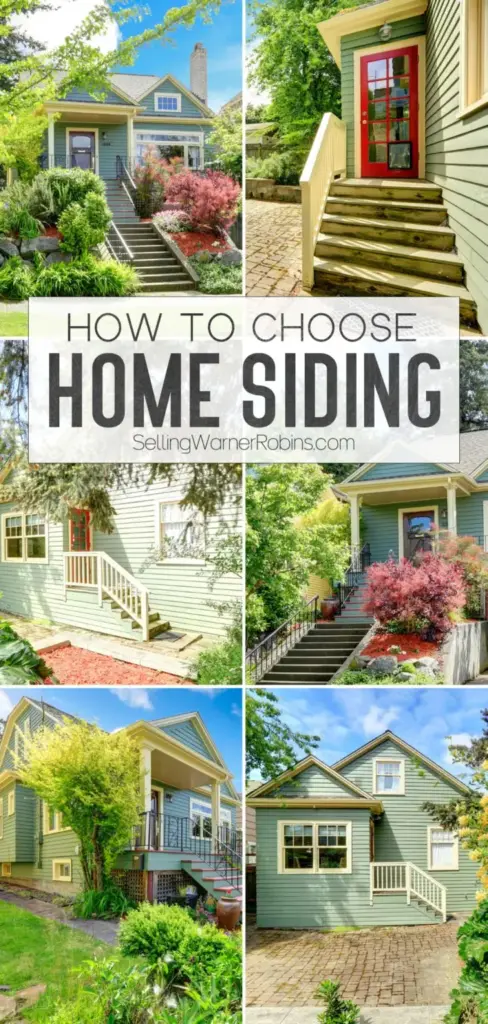
Making the right choice involves evaluating three key variables: climate, budget, and aesthetic preference. Below is a quick decision matrix to help narrow down options.
| Climate | Best Materials | Why |
|---|---|---|
| Hot, humid (e.g., Southeast US) | Vinyl with foam core, fiber‑cement | Resists moisture swelling; reflects heat |
| Cold, windy (e.g., Midwest) | Insulated vinyl, fiber‑cement | Provides extra thermal barrier; resists wind pressure |
| Fire‑prone (e.g., West Coast) | Fiber‑cement, stone veneer | Class A fire rating; non‑combustible |
Consider the long‑term cost of maintenance. For instance, while vinyl may be cheaper initially, homeowners often spend $1,200–$2,500 over a decade on repainting and repairs, according to a 2025 HomeAdvisor survey.
Installation Essentials: What Homeowners Should Expect
Preparation and Permits
Before any siding goes up, a thorough inspection of the existing sheathing and flashing is essential. Local building codes—especially in hurricane zones—require a water‑resistive barrier (WRB) with a minimum R‑value of 0.5 (International Residential Code 2025). Obtaining a permit typically costs $150–$300, varying by municipality.
Installation Process Overview
- Remove old siding: This may involve demolition, disposal, and possible asbestos testing for older homes.
- Repair underlying structure: Replace damaged studs or sheathing, and install a WRB such as Tyvek.
- Apply flashing and sealant: Critical around windows, doors, and rooflines to prevent leaks.
- Install siding panels: Follow manufacturer‑specified spacing and fastening patterns; use insulated backings where applicable.
- Finish with trim: Corner, window, and door trims provide the final aesthetic and seal.
Professional installers typically charge a labor rate of $1.75–$2.50 per square foot, but a DIY approach can save 30 % if you have the tools and experience.
Common Installation Mistakes to Avoid
- Improper nailing depth—can lead to warping or water ingress.
- Skipping the WRB—dramatically raises the risk of mold.
- Using the wrong fastener type—stainless steel is required for coastal areas to resist corrosion.
- Neglecting expansion gaps—especially important for vinyl, which expands in heat.
Maintenance Tips for Longevity
Even the most durable siding benefits from routine care. Follow these simple steps to keep your exterior looking fresh for decades:
- Annual cleaning: Use a low‑pressure garden hose and a mild detergent; avoid abrasive brushes that can scratch surfaces.
- Inspect seals: Check caulking around windows and doors each spring; reapply as needed.
- Touch‑up paint: For fiber‑cement and wood‑grain engineered panels, a fresh coat every 5–7 years prevents fading.
- Trim vegetation: Keep shrubs at least 12 inches away to reduce moisture buildup.
For a step‑by‑step guide on maintaining vinyl siding, see our Vinyl Siding 2026 ultimate guide, which also outlines cost‑saving strategies.
Cost Comparison: Short‑Term vs. Long‑Term Investment
Below is a simplified cost breakdown for a typical 2,000 sq ft home. All figures are averages from 2025 contractor surveys.
| Material | Installation Cost (USD) | Average Lifespan | Annual Maintenance | Total 30‑Year Cost |
|---|---|---|---|---|
| Vinyl (non‑insulated) | $7,000–$12,000 | 20–25 years | $150 | $11,500–$16,500 |
| Insulated Vinyl | $9,000–$14,000 | 25–30 years | $120 | $12,600–$17,600 |
| Fiber‑Cement | $14,000–$18,000 | 30–50 years | $80 | $16,400–$20,400 |
| Stone Veneer | $20,000–$28,000 | 35–45 years | $70 | $22,100–$30,100 |
While stone veneer carries the highest upfront price, its low maintenance and high resale impact can make it the most cost‑effective choice over three decades.
Real‑World Case Study: A Mid‑Size Home in Austin, Texas
In 2025, the Ramirez family replaced their aging wood lap siding with fiber‑cement panels from James Hardie. The project cost $15,800, including labor and a new WRB. Within the first year, their HVAC utility bills dropped 12 % thanks to the panels’ higher R‑value and tighter seal. Three years later, a local real estate appraisal cited the upgraded exterior as a key factor in increasing the property’s market value by 6 %.
This case illustrates how an upfront investment in quality siding pays dividends through energy savings, reduced repair costs, and higher resale value. For additional insight into Hardie products, explore our Hardie Plank Siding 2026 guide and the James Hardie Siding complete guide.
Frequently Asked Questions
What is the most weather‑resistant siding?
Fiber‑cement and engineered stone veneer are top performers, both achieving Class A fire ratings and excellent resistance to wind-driven rain. Vinyl with a proper WRB can also perform well, but it may warp in prolonged freezing temperatures.
Can I install siding myself, or should I hire a professional?
DIY installation is feasible for experienced homeowners, especially with vinyl panels that require fewer specialized tools. However, improper flashing, nailing, or failure to meet local building codes can void warranties and cause leaks, so most experts recommend hiring a licensed contractor for fiber‑cement or stone veneer projects.
How does siding affect home energy efficiency?
Insulated siding adds an extra R‑value of 2–5, depending on thickness. The U.S. Department of Energy estimates that each R‑value point can reduce heating and cooling costs by roughly 2 % annually. Combined with proper sealing, siding upgrades can shave $200–$500 off yearly utility bills for an average 2,000 sq ft home.
Is there a warranty for siding materials?
Most manufacturers provide warranties ranging from 25 years (vinyl) to a lifetime (fiber‑cement and stone veneer). Warranty validity typically hinges on proper installation and regular maintenance, so keep records of all work performed.
How often should I repaint or reseal my siding?
Vinyl rarely needs repainting unless you change color; a touch‑up every 10–15 years is sufficient. Fiber‑cement and stone veneer benefit from a fresh coat of high‑quality exterior paint every 7–10 years to maintain color vibrancy and protect against UV degradation.
Future Trends in Home Siding (2026 and Beyond)
Innovation continues to reshape exterior cladding. Smart siding systems with built‑in sensors that monitor moisture levels and temperature differentials are entering pilot programs in the Pacific Northwest, aiming to alert homeowners of potential leaks before damage occurs. Additionally, bio‑based composites—derived from recycled agricultural fibers—are projected to capture 8 % of the market share by 2030, offering a sustainable alternative with comparable durability.
Keeping an eye on emerging technologies can help you future‑proof your investment and align with green building standards such as LEED v4.1.
Bottom Line: Making the Right Siding Choice
Home siding is a critical component of a building’s envelope, influencing aesthetics, energy performance, and long‑term durability. By weighing climate demands, budget constraints, and maintenance preferences, you can select a material that offers the best return on investment. Whether you opt for the affordability of vinyl, the resilience of fiber‑cement, or the upscale appeal of stone veneer, a well‑executed installation backed by proper upkeep will safeguard your home for decades to come.