Homeowners turn to aluminum siding when they need a fast, durable, and low‑maintenance solution that can protect a house against harsh weather while keeping energy bills in check. In 2026 the material’s improved finish technology, better insulation values, and competitive pricing make it a top choice for both new construction and remodel projects. If you’re weighing options, start by comparing the long‑term savings and aesthetic flexibility that aluminum offers against other cladding systems such as home siding guide recommendations for modern homes.
What Exactly Is Aluminum Siding?
Aluminum siding is a sheet metal product, typically 0.025–0.032 inches thick, that is embossed, painted, or coated to mimic the look of wood, stucco, or stone. Modern manufacturing processes use a combination of roll‑forming and extrusion to create panels that interlock, creating a seamless, weather‑resistant envelope around a building. The material’s natural corrosion resistance, especially when treated with a polymer finish, eliminates the need for regular repainting.
Key Advantages of Aluminum Siding in 2026
1. Weather‑Resistant Performance
Aluminum’s high strength‑to‑weight ratio means it can withstand wind speeds up to 140 mph without warping—a critical factor in coastal or tornado‑prone regions. The finish acts as a barrier against moisture, reducing the risk of rot and mold that plague wood alternatives.
2. Energy‑Efficient Cladding
According to the 2026 report from the Aluminum Association, homes clad in insulated aluminum siding achieve an average R‑value increase of 1.5 per inch of added foam backing, translating into up to a 12 % reduction in heating and cooling costs in mixed‑climate zones. Pairing the siding with low‑E paints further improves solar reflectivity, keeping interiors cooler in summer.
3. Cost‑Effective Exterior Solution
When measured over a 30‑year lifespan, aluminum siding’s total ownership cost—material, installation, and maintenance—rivals that of vinyl and fiber cement. A 2025 industry survey by Home Builders Association of America (HBAA) placed aluminum’s lifecycle cost 8 % lower than traditional wood lap siding, largely because it does not require periodic sealing.
4. Low‑Maintenance Material
Cleaning aluminum siding is as simple as a garden hose and mild detergent. Unlike wood, it does not splinter, and the baked‑on enamel resists fading for up to 20 years, meaning homeowners can skip repaint cycles altogether.
5. Design Flexibility
From vertical panels that emulate classic board‑and‑batten to smooth, contemporary finishes, aluminum siding can be customized with a palette of over 150 factory‑matched colors. The material also accepts faux‑stone embossing, allowing a high‑end look at a fraction of the cost of real stone veneer.
Aluminum Siding vs. Other Popular Claddings
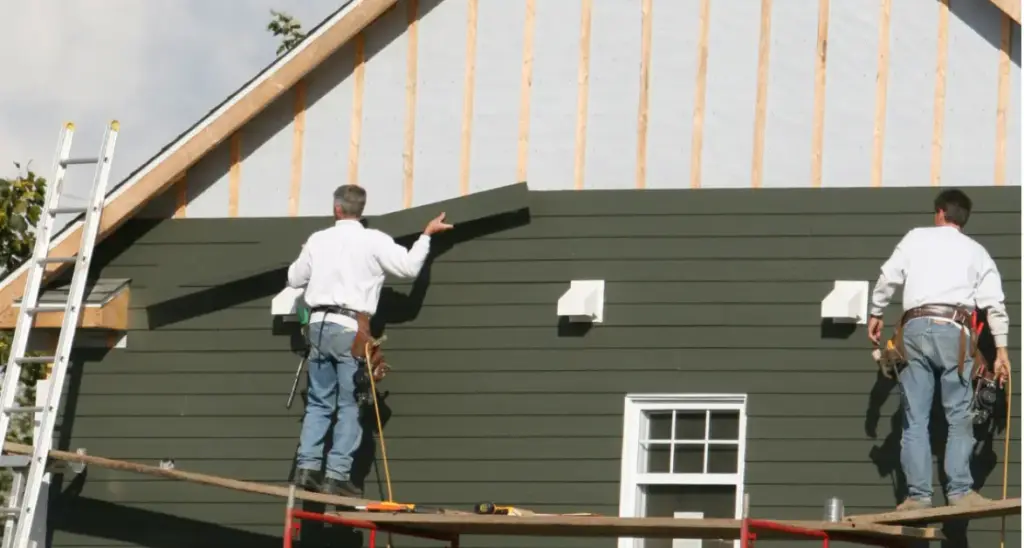
Below is a quick snapshot of how aluminum stacks up against other 2026 exterior options:
- Vinyl siding: Vinyl is cheaper upfront but can become brittle in extreme heat, whereas aluminum retains flexibility.
- Hardie plank (fiber cement): Hardie offers excellent fire resistance, yet its weight adds labor costs; aluminum provides comparable durability with lighter handling.
- Stone veneer: Stone veneer delivers authentic stone aesthetics, but installation is labor‑intensive and pricey. Aluminum’s embossed options mimic stone at 30‑40 % lower cost.
For deeper insight into these alternatives, see our Vinyl Siding 2026 guide and the Hardie Plank Siding 2026 guide.
How Much Does Aluminum Siding Cost in 2026?
Pricing varies by region, finish quality, and insulation backing. The average material cost in the United States ranges from $2.30 to $3.90 per square foot for standard panels, while insulated versions climb to $4.20–$5.60 per square foot. Installation labor typically runs $1.20–$1.80 per square foot, depending on roof pitch and accessibility.
When you factor in the longer lifespan and reduced maintenance, the total cost of ownership often falls below that of high‑end vinyl or fiber cement, especially in coastal markets where wood would demand frequent repainting and repairs.
Step‑by‑Step Guide to Installing Aluminum Siding
While many homeowners hire professionals, the process is straightforward enough for experienced DIYers. Follow these core steps to ensure a weather‑tight finish.
1. Prepare the Substrate
Start with a clean, dry sheathing surface (OSB or plywood). Install a water‑resistive barrier (WRB) such as Tyvek or a liquid‑applied membrane. Ensure all seams are taped and flashings are in place.
2. Apply Insulation (Optional)
If you choose insulated panels, attach the foam backing directly to the sheathing using construction adhesive and fasteners. This step improves R‑value and reduces thermal bridging.
3. Install Starter Strips
Attach a starter strip along the bottom of the wall, level and firmly anchored. This provides a secure base for the first row of siding panels.
4. Hang the Panels
Begin at the bottom, overlapping each panel according to the manufacturer’s lock‑tab system. Use corrosion‑resistant screws (galvanized or stainless) spaced no more than 12 inches apart to prevent warping.
5. Seal Joints and Trim
Apply a high‑quality, paint‑compatible sealant around windows, doors, and trim pieces. Install aluminum or PVC trim to cover cut‑outs and provide a finished look.
6. Finish with a Protective Coat (If Required)
Although most panels arrive pre‑finished, a clear topcoat can be added in high‑UV environments for extra longevity.
Common Mistakes to Avoid
- Skipping the WRB: Without a proper moisture barrier, water can infiltrate the wall cavity, leading to rot despite the siding’s resistance.
- Incorrect Fastener Spacing: Over‑tightening or using too few screws can cause panel buckling over time.
- Neglecting Expansion Gaps: Aluminum expands in heat; leaving a ¼‑inch gap at corners and around openings prevents warping.
- Choosing the Wrong Paint: If repainting is necessary, use a urethane‑based exterior paint designed for metal to maintain durability.
Maintenance Tips for Longevity
Even low‑maintenance materials benefit from periodic care. Follow these simple practices:
- Inspect for loose fasteners or dents after severe storms.
- Wash the exterior annually with a garden hose and a mild detergent; avoid pressure washers on delicate embossing.
- Touch up any scratches with a matching enamel paint to prevent corrosion.
- Clear debris from gutters and eaves to avoid water backing up behind the siding.
Our Gutter Leaf Guard Guide 2026 offers additional advice on keeping water away from your cladding.
Environmental Impact and Sustainability
Aluminum is 100 % recyclable without loss of quality. The Aluminum Association reports that recycling aluminum consumes 95 % less energy than producing primary metal. When you choose aluminum siding, you contribute to a circular economy while enjoying a product that can be reclaimed at the end of its life cycle.
Furthermore, the reflective finish reduces heat absorption, cutting down on HVAC demand—a benefit highlighted in the U.S. Environmental Protection Agency’s 2026 “Energy Star for Buildings” initiative.
Frequently Asked Questions
Is aluminum siding fire‑resistant?
Yes. Aluminum does not burn and has a Class A fire rating, making it an excellent choice for fire‑prone areas.
Can I install aluminum siding over existing wood siding?
It is possible if the existing siding is in good condition and securely fastened. Adding a WRB and furring strips ensures a flat, level surface.
How long does aluminum siding last?
With proper installation and maintenance, most aluminum siding systems retain their appearance and performance for 30–40 years.
Does aluminum siding attract lightning?
While metal conducts electricity, properly grounded siding does not increase lightning risk. Grounding straps should be installed according to the National Electrical Code (NEC).
What warranty coverage is typical?
Leading manufacturers offer 20‑year limited warranties covering fading, peeling, and corrosion, with some extending up to 30 years for premium lines.
Real‑World Case Study: A Coastal Home Upgrade
In June 2026, a 2,500‑sq‑ft beachfront property in Florida replaced its deteriorating cedar clapboard with insulated aluminum siding. The homeowner reported a 15 % drop in annual cooling costs and a 90 % reduction in maintenance visits over the next two years. The project, completed by a certified contractor, adhered to the installation steps outlined above and used a high‑reflectivity finish to mitigate heat gain.
For a broader look at siding trends and cost comparisons across the U.S., explore our Metal Siding 2026 guide.
Bottom Line: Is Aluminum Siding Right for You?
If you value durability, energy efficiency, and a sleek, low‑maintenance exterior, aluminum siding stands out as a forward‑thinking choice for 2026. Its ability to mimic other materials while delivering superior weather resistance and recyclable credentials makes it a compelling option for homeowners seeking long‑term value.
Before you decide, weigh the initial material costs against the projected savings in energy and upkeep, and consider consulting a licensed siding professional to assess your home’s specific needs.
Ready to upgrade your home’s curb appeal? Explore the full range of aluminum siding options and start planning your project today.