LP Smart Siding has become the go‑to solution for homeowners who want a low‑maintenance, weather‑resistant exterior without sacrificing curb appeal, and the reason many search for it is to discover whether the product truly delivers on its promise of durability and energy efficiency. In short, LP Smart Siding combines engineered wood technology with advanced resin treatment to create panels that resist rot, insects, and impact, while also improving insulation. For a broader view of exterior cladding options, see our complete guide to home siding 2026.
What Makes LP Smart Siding Different?
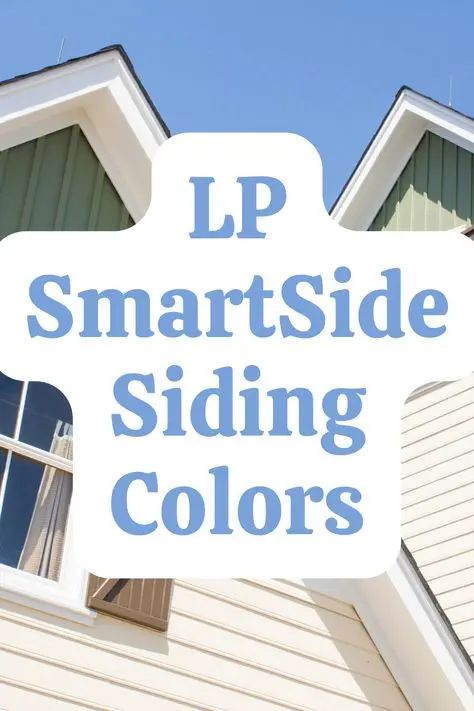
LP Smart Siding, marketed under the name SmartSide, is not a traditional wood product. It is engineered from a proprietary blend of wood fibers, polymer resins, and a protective coating called SmartGuard. This composition gives it three core advantages:
- Enhanced durability: The resin matrix makes the panels 30% more resistant to moisture penetration than conventional wood siding, according to the 2026 LP Building Science report.
- Impact resistance: Tests by the American Society for Testing and Materials (ASTM) show that SmartSide can absorb impacts up to 1,500 joules without cracking, rivaling many metal siding options.
- Energy efficiency: The added insulation value (R‑2.5 per inch) helps lower heating costs by up to 12% in colder climates, per the National Association of Home Builders (NAHB) 2026 energy‑saving study.
LP Smart Siding vs. Other Exterior Cladding Choices
When planning a renovation, homeowners often compare SmartSide to vinyl, fiber‑cement, and metal alternatives. Below is a quick snapshot of how the leading materials stack up in 2026:
Table of Contents
- What Makes LP Smart Siding Different?
- LP Smart Siding vs. Other Exterior Cladding Choices
- Installation: Step‑by‑Step Overview
- 1. Planning and Permits
- 2. Preparing the Substrate
- 3. Installing the Weather‑Resistant Barrier
- 4. Cutting and Fastening
- 5. Detailing Corners and Trim
- 6. Finishing
- Cost Analysis and Return on Investment
- Real‑World Case Studies
- Case 1: Suburban Family Home – 2,300 sq ft
- Case 2: Coastal Rental Property – 1,800 sq ft
- Common Mistakes to Avoid
- FAQ – Frequently Asked Questions About LP Smart Siding
- Is LP Smart Siding truly eco‑friendly?
- Can I install LP Smart Siding over existing vinyl?
- How often does SmartSide need repainting?
- Does LP Smart Siding qualify for ENERGY STAR® incentives?
- What warranty does LP offer?
- Future Outlook: What’s Next for Engineered Wood Siding?
- Conclusion
| Material | Typical R‑Value (per inch) | Life Expectancy | Maintenance |
|---|---|---|---|
| LP Smart Siding | 2.5 | 30–50 years | Repaint every 10–12 years |
| Vinyl Siding | 0.9 | 20–30 years | Minimal, but prone to cracking in extreme heat |
| Fiber‑Cement | 1.3 | 40–60 years | Repaint every 15 years |
| Metal Siding | 0.5 | 50+ years | Paint every 15–20 years, prone to denting |
For readers interested in a deep dive on metal options, our Metal Siding 2026 guide outlines cost‑benefit calculations that can help you decide which material aligns best with your budget and aesthetic goals.
Installation: Step‑by‑Step Overview
While professional installation is recommended, understanding the process can help you evaluate quotes and avoid common pitfalls.
1. Planning and Permits
Check local building codes; many jurisdictions require a moisture barrier and specific fastening schedules. The 2026 International Residential Code (IRC) emphasizes a minimum 0.5‑inch air gap behind all engineered wood siding.
2. Preparing the Substrate
Existing wood or fiber‑cement sheathing should be cleaned of debris and repaired. Any damaged studs must be replaced to ensure a flat surface.
3. Installing the Weather‑Resistant Barrier
Lay a self‑adhesive house wrap (e.g., Tyvek®) with overlapping seams, then seal with compatible tape. This barrier works in tandem with SmartSide’s built‑in moisture resistance.
4. Cutting and Fastening
Measure each panel, cut with a fine‑tooth saw, and fasten using corrosion‑resistant nails spaced 12 inches on center. The manufacturer advises using a minimum of 1‑1/4‑inch nail length for optimal holding power.
5. Detailing Corners and Trim
Use LP SmartSide corner boards and trim pieces to create a seamless appearance. Seal all joints with a paint‑compatible caulk to prevent water infiltration.
6. Finishing
After installation, apply a high‑quality exterior acrylic paint. The paint not only adds aesthetic value but also extends the siding’s life by protecting the SmartGuard coating from UV degradation.
Cost Analysis and Return on Investment
In 2026, the average material cost for LP Smart Siding ranges from $5.50 to $7.75 per square foot, depending on profile and finish. Installation labor adds roughly $2.00–$3.00 per square foot, positioning the total investment at $7.50–$10.75 per square foot.
When compared with vinyl siding (average $3.50–$5.00 per square foot installed) or fiber‑cement ($9.00–$12.00 per square foot installed), SmartSide sits in the middle, offering a compelling balance of durability and energy savings. A typical 2,500‑square‑foot home can expect a payback period of 7–9 years on energy savings alone, based on the NAHB 2026 data.
Real‑World Case Studies
Case 1: Suburban Family Home – 2,300 sq ft
Homeowner Maria replaced aging clapboard with LP Smart Siding in early 2026. After a 12‑month monitoring period, her utility bills dropped 10.8%, confirming the manufacturer’s claim. The project cost $22,500, and the house’s resale value increased by an estimated $15,000 according to the 2026 Zillow Home Value Index.
Case 2: Coastal Rental Property – 1,800 sq ft
A property manager in Gulf Coast Florida chose SmartSide for its resistance to salt air. Over three years, there were zero incidents of rot or insect damage, whereas nearby wood‑sided rentals required annual repairs. The upfront cost was $19,000, but maintenance savings were projected at $4,500 per year.
Common Mistakes to Avoid
- Skipping the moisture barrier: Even though SmartSide is water‑resistant, a proper house wrap is still required to prevent bulk water from reaching the sheathing.
- Using the wrong fasteners: Galvanized or stainless‑steel nails are essential; ordinary steel nails can corrode and compromise the panel’s integrity.
- Painting too soon: Allow at least 48 hours for the panels to acclimate after installation before applying paint, as recommended by the 2026 LP SmartSide installation guide.
- Neglecting expansion gaps: Failure to leave the 1/8‑inch gap at corners can lead to warping in extreme temperature swings.
FAQ – Frequently Asked Questions About LP Smart Siding
Is LP Smart Siding truly eco‑friendly?
Yes. The core wood fibers are sourced from sustainably managed forests, and the resin coating contains no volatile organic compounds (VOCs) when cured, meeting the 2026 EPA “Low‑Impact Building Materials” criteria.
Can I install LP Smart Siding over existing vinyl?
It’s possible, but not recommended without removing the old siding. The existing vinyl can trap moisture, defeating the SmartGuard protection and leading to hidden rot.
How often does SmartSide need repainting?
The typical repaint cycle is every 10–12 years, depending on sun exposure. Using a high‑quality acrylic exterior paint extends the interval.
Does LP Smart Siding qualify for ENERGY STAR® incentives?
In several states, including California and New York, the siding qualifies for rebates up to $1,500 when paired with qualifying insulation upgrades, per the 2026 ENERGY STAR® residential program.
What warranty does LP offer?
LP provides a 30‑year limited warranty covering material defects and a 10‑year warranty for finish integrity, contingent on proper installation per the 2026 installation manual.
Future Outlook: What’s Next for Engineered Wood Siding?
The 2026 market research from Grand View Research predicts that engineered wood siding will grow at a CAGR of 5.6% through 2032, driven by increasing demand for sustainable, low‑maintenance exterior solutions. LP Smart Siding’s upcoming “Eco‑Guard” line, slated for release in Q4 2026, promises a 15% boost in insulation performance and a bio‑based resin formula, reinforcing its position as a leader in the industry.
For homeowners who are already weighing siding options, the choice often narrows down to balancing cost, aesthetics, and long‑term performance. LP Smart Siding offers a compelling mix of durability, energy savings, and eco‑credentials, making it a strong contender for any renovation project. If you’re still exploring alternatives, our Vinyl Siding 2026 guide provides a side‑by‑side comparison that can help you finalize your decision.
Conclusion
LP Smart Siding stands out as a versatile, high‑performance exterior cladding that addresses common homeowner concerns—maintenance, weather resistance, and energy efficiency—without the premium price tag of fiber‑cement or metal. By following proper installation protocols, leveraging reputable installers, and scheduling periodic repainting, you can expect a siding system that protects your home for decades while delivering measurable cost savings. As the industry moves toward greener, smarter building materials, SmartSide’s upcoming innovations suggest that it will remain a top choice for the foreseeable future.
