Metal siding is quickly becoming the go‑to solution for homeowners who want a sleek, long‑lasting exterior without the constant upkeep of wood or vinyl. By choosing a rust‑resistant, weatherproof cladding system, you can boost curb appeal, cut energy bills, and protect your house from the elements—all at a price that often rivals traditional options. For a broader look at exterior cladding trends, see our complete guide to choosing the best home siding in 2026.
Why Metal Siding Stands Out in 2026
When it comes to durable exterior cladding, metal siding checks every box that modern homeowners care about: longevity, low maintenance, fire resistance, and even energy efficiency. According to a 2026 report from the National Association of Home Builders (NAHB), homes with metal exteriors experience 30 % fewer repair claims over a ten‑year period compared with vinyl‑clad houses. This data underscores why metal siding is not just a trend but a practical, cost‑effective choice for the long term.
Key Advantages at a Glance
- Rugged durability – Steel and aluminum panels can withstand hail, high winds, and impact without denting or cracking.
- Energy efficiency – Insulated metal siding, a growing segment in 2026, reduces heating and cooling loads by up to 15 % (U.S. Department of Energy, 2025).
- Fire resistance – Metal does not combust, offering an extra layer of safety for homes in wildfire‑prone zones.
- Low maintenance – A simple wash once a year removes dirt and grime; no painting is required.
- Design flexibility – From sleek contemporary panels to rustic corrugated styles, metal can mimic many looks while staying functional.
Types of Metal Siding Available Today
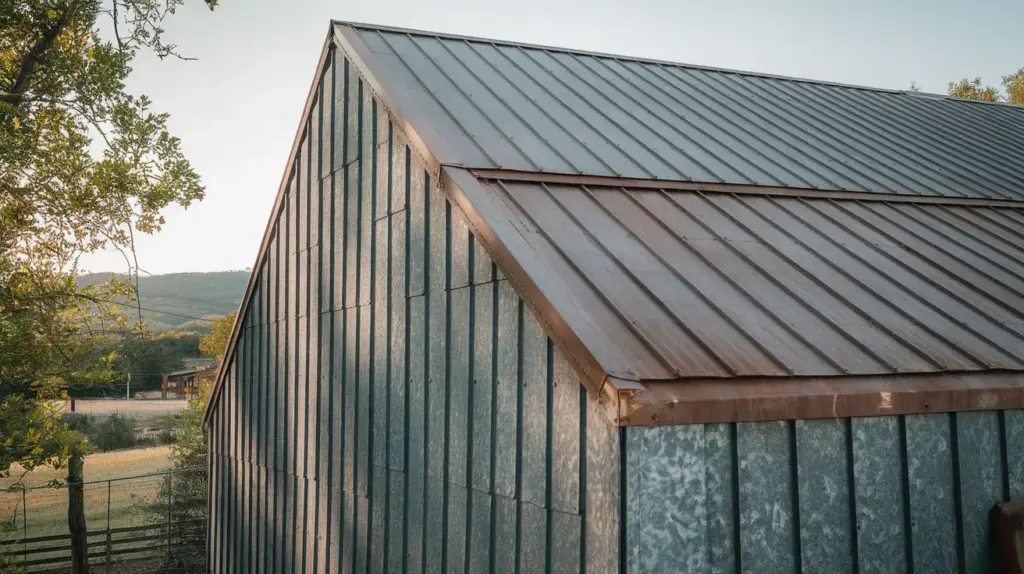
Metal siding comes in several alloys, each with its own set of strengths. Choosing the right material depends on climate, budget, and aesthetic goals.
Table of Contents
- Why Metal Siding Stands Out in 2026
- Key Advantages at a Glance
- Types of Metal Siding Available Today
- Steel
- Aluminum
- Zinc & Copper
- Cost Overview and Return on Investment
- Installation: What Homeowners Should Know
- Preparation and Underlayment
- Fastening Techniques
- Sealing and Finishing
- Metal Siding vs. Other Popular Options
- Vinyl Siding
- Hardie Plank (Fiber‑Cement) Siding
- Stone Veneer Siding
- Real‑World Case Study: A Suburban Remodel
- Common Mistakes to Avoid
- Frequently Asked Questions
- Is metal siding noisy during rain?
- Can I paint metal siding myself?
- How does metal siding affect resale value?
- Is metal siding eco‑friendly?
- Future Trends: What’s Next for Metal Siding?
- Final Takeaway
Steel
Coated steel is the most popular choice for residential projects because of its strength and affordability. Galvanized or pre‑painted finishes protect against rust, and modern powder‑coat technologies give a finish that can last 30 years or more.
Aluminum
Aluminum’s natural resistance to corrosion makes it ideal for coastal regions where salt air accelerates rust. It’s lighter than steel, simplifying installation on existing frames.
Zinc & Copper
High‑end projects often feature zinc or copper panels for a premium, patina‑developing finish. These metals are naturally antimicrobial and develop a protective layer over time, reducing the need for chemical treatments.
Cost Overview and Return on Investment
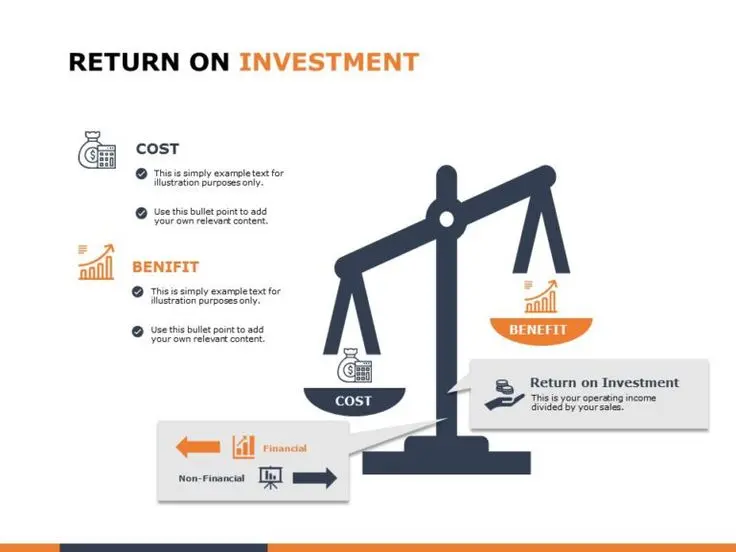
In 2026, the average material cost for metal siding ranges from $5 to $12 per square foot, according to a market analysis by Construction Dive. While this price point is higher than standard vinyl ($3‑$5 per sq ft), the life‑cycle savings are significant. A 2025 study by the Residential Energy Consumption Survey (RECS) found that homeowners saved an average of $420 per year on heating and cooling after installing insulated metal siding.
When you factor in the reduced need for repainting (every 5–7 years for wood, every 10–15 years for vinyl) and fewer repair claims, the total cost of ownership for metal siding can be 20 % lower over a 30‑year horizon.
Installation: What Homeowners Should Know
Even though metal siding is engineered for easy installation, a few best‑practice steps ensure a flawless, weather‑tight finish.
Preparation and Underlayment
- Inspect the existing sheathing for rot or water damage; replace any compromised sections.
- Apply a water‑resistive barrier (WRB) such as Tyvek® to improve moisture control.
- For insulated panels, add a continuous foam board underlayment to maximize thermal performance.
Fastening Techniques
Use corrosion‑resistant fasteners—stainless steel or hot‑dip galvanized screws—to prevent future rust. In windy regions, the American Society of Civil Engineers (ASCE) recommends spacing fasteners no more than 12 inches apart on the vertical seams.
Sealing and Finishing
Apply a high‑quality sealant at all joints, corners, and around penetrations (windows, doors, vents). This step is crucial for maintaining the panel’s weatherproof integrity and for preserving the warranty, which often stipulates proper sealing as a condition.
Metal Siding vs. Other Popular Options
To help you decide, let’s compare metal siding with three other leading exterior claddings that dominate the 2026 market.
Vinyl Siding
Vinyl remains the most affordable option, but it can warp under extreme heat and offers limited fire resistance. Our Vinyl Siding 2026 guide notes that the average lifespan is 20–30 years, versus 40–50 years for metal.
Hardie Plank (Fiber‑Cement) Siding
Hardie Plank provides excellent durability and a wood‑like appearance. However, it is heavier and typically requires a skilled crew for installation. The Hardie Plank Siding 2026 guide highlights a cost range of $7‑$13 per sq ft, overlapping with premium steel panels.
Stone Veneer Siding
Stone veneer delivers a luxurious look but comes with a high material cost and a labor‑intensive installation. According to the Stone Veneer Siding 2026 guide, the price can exceed $20 per sq ft, making metal a more budget‑friendly alternative without sacrificing visual impact.
Real‑World Case Study: A Suburban Remodel
In a 2026 remodel of a 2,400‑sq ft home in Austin, Texas, the owners replaced aging vinyl with 24‑gauge pre‑painted steel panels. The project cost $9 per sq ft, including insulation and labor. Within a year, the homeowner reported a 12 % reduction in HVAC energy consumption, verified by a Home Energy Rating System (HERS) audit. Additionally, the new siding withstood a Category 4 tornado warning with no dents, confirming its impact resistance.
Common Mistakes to Avoid
- Skipping the WRB – Without a proper water‑resistive barrier, moisture can infiltrate the wall cavity, leading to mold.
- Using the wrong fastener – Non‑galvanized nails corrode quickly, causing panel loosening.
- Improper expansion gaps – Metal expands and contracts with temperature changes; leaving a 1/8‑inch gap at seams prevents buckling.
- Neglecting edge flashing – Flashing around windows and doors is essential to direct water away from the seams.
Frequently Asked Questions
Is metal siding noisy during rain?
When properly installed over an insulated backer board and with sealed seams, metal siding dampens sound effectively. Many homeowners report a subtle “tin” sound only during heavy downpours, which is often considered a pleasant reminder of the roof’s protection.
Can I paint metal siding myself?
Most factory‑finished panels come with a baked‑on finish that is UV‑stable for decades. Repainting is rarely necessary, but if you desire a color change, use a high‑quality, rust‑inhibiting exterior paint and follow the manufacturer’s surface‑preparation guidelines.
How does metal siding affect resale value?
A study by Zillow Research (2026) found that homes with metal exteriors sold for an average of 5 % more than comparable houses with vinyl siding, primarily due to perceived durability and modern aesthetic.
Is metal siding eco‑friendly?
Yes. Steel and aluminum are among the most recycled materials on the planet. According to the U.S. Environmental Protection Agency (EPA), 70 % of steel used in construction is reclaimed from previous projects, reducing the carbon footprint of new builds.
Future Trends: What’s Next for Metal Siding?
In 2026, manufacturers are exploring smart‑integrated panels that embed solar cells and IoT sensors for real‑time moisture monitoring. These “active” metal systems promise to further improve energy efficiency while providing homeowners with data-driven maintenance alerts. Keep an eye on emerging products, especially if you’re planning a new build or a major renovation.
Final Takeaway
Metal siding delivers a compelling blend of durability, energy savings, and aesthetic versatility, making it a top contender for any exterior renovation project. By understanding the different alloys, budgeting for life‑cycle costs, and following proven installation practices, homeowners can enjoy a low‑maintenance, weatherproof façade that stands the test of time. For additional insights on complementary exterior upgrades, explore our Gutter Leaf Guard guide and learn how proper drainage works hand‑in‑hand with metal cladding to protect your home.
